

 Apr 14, 2026
Whenever someone starts a discussion about bridal lehenga colours, red is always the first choice. One of the reasons red is such a prominent choice is that it’s considered customary for brides to wear red on their wedding day. But what brides often forget to consider is how that red would look on them. Apart from that, they also need to consider how the lehenga will look with the overall theme. The decor, the timing, the jewellery or even the season, they’re all part of the same palette.
Recently, the modern brides have started considering other colours that not only look bridal but at the same time are breaking the “red” pattern.
Bridal Lehenga Colours Brides Are Loving Right Now
Ivory and Off-White Bridal Lehenga Colours
Confidence shows in ivory lehenga. If minimalism is the theme of your wedding, then ivory or off-white is a great lehenga colour option for you. Ivory gives you space to experiment with different types of threadworks and patterns. While still keeping your outfit minimal, this palette ensures you look elegant
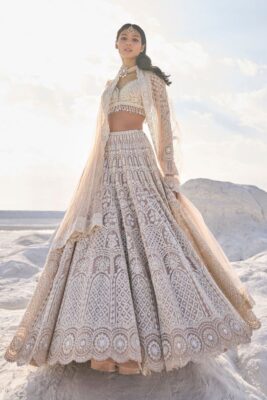
1: A heavily embroidered lehenga with delicate threadwork.
It is the minimalism of ivory and the delicate threadwork that make this pattern elegant. The intricate work adds depth to the lehenga and makes your outfit look timeless
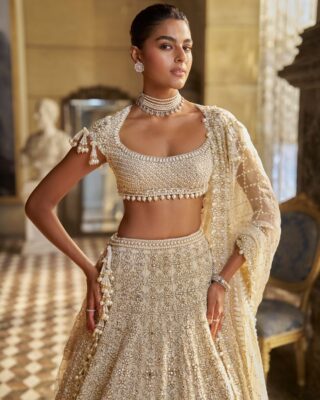
2: Minimal pearl work on ivory
This pattern is made for all the daytime weddings. The pearls shine brighter in the daylight, which enhances the beauty of the pattern.
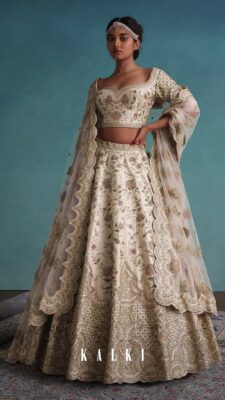
3: Floral threadwork on an ivory base
Floral work brings a new freshness to the lehenga. The threadwork makes the pattern more intricate while maintaining the overall minimalism.
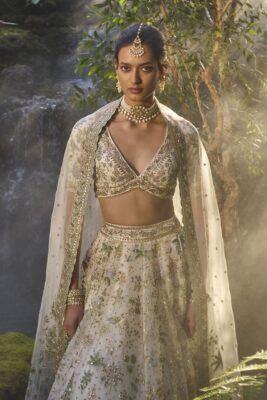
4: A sequin ivory lehenga with a sheer dupatta
Sequin is the star of almost all the glam looks. If minimal glam is something that you want to go for, then this style is worth considering. As pretty and sparkly as a sequin might look, it can easily look overdone. Add a sheer dupatta to your lehenga to ensure your outfit looks well put together.
Pastel Pink Bridal Lehenga Colours
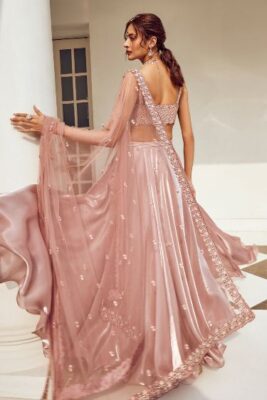
Pastel pink is all over Instagram, and it’s not that difficult to guess why. Pink brings the faltering romantic vibe along. It goes well with the summer tones and looks good on a wide range of skin tones. Pastel pink is a shade that is also preferred by celebrity brides, which has brought it to the limelight.
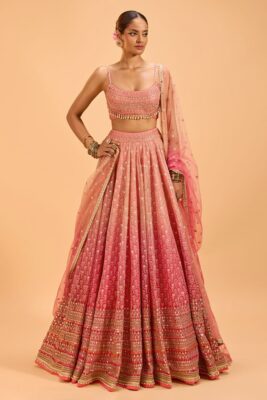
5: Blush pink with floral embroidery.
All the attention that this colour gets for its dreamy vibe is well deserved. Blush pink is a colour that instantly makes your outfit look dreamy. Moreover, it also pairs with daylight and matches the floral arrangements, too.
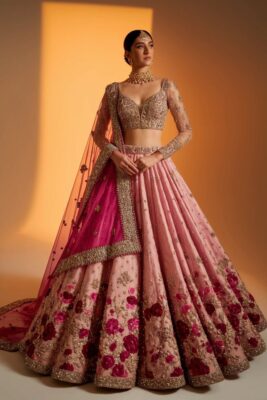
6: Mirror work on pastel pink adds festiveness without making things feel heavy.
Mirror work adds more personality to the outfit. It works well, especially with larger patterns. The mirror details catch the light well, which makes it versatile for any time of the day.
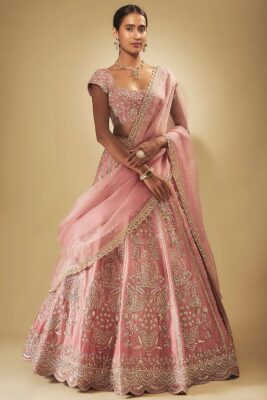
7: A layered tulle lehenga in soft pink
The tulle lehenga is another dreamy style that is trending. The light fabric of tulle flows smoothly as you walk. It’s light and breathable, perfect for styling for a summer wedding.
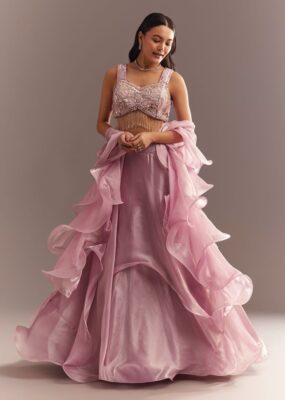
8: Baby pink with subtle shimmer gives you that bridal glow without tipping into overdone.
Powder Blue and Ice Blue Freshness
Blue may not be every bride’s first choice, but this one sure adds a charm to the palette. Shades of blue have a calm richness that you may use for your wedding day or functions. The shades like powder blue and icy blue are quite trendy, especially for pre-wedding functions.
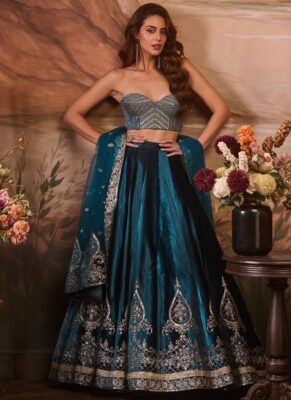
9: Ice blue with silver embroidery. Crisp, elegant, a bit unexpected.
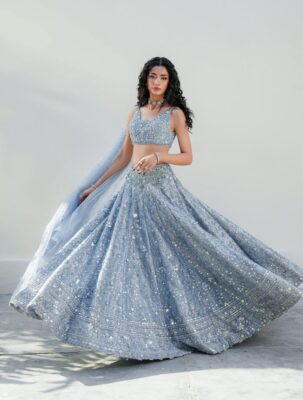
10: Powder blue with crystal work has a soft sparkle that works particularly well for evening events.
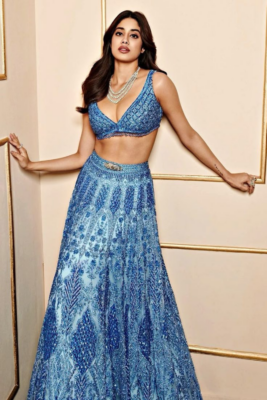
11: A shimmering blue lehenga with a modern silhouette for brides who want something a little different.
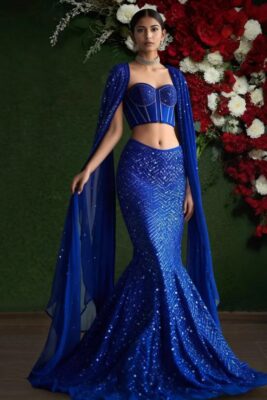
12: An Indo-Western blue lehenga set that blends tradition with a contemporary edge without forcing.
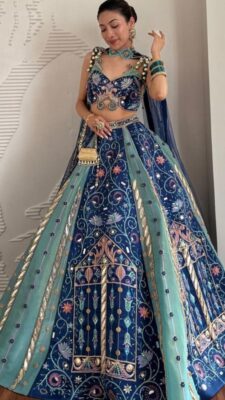
Sage Green and Mint Calm Tones
If you are looking for something more grounded, green is your colour. Shades of green portray the soothing calmness of nature. So it doesn’t clash with the tones of an outdoor setting and gives you a balanced look. Tones of green are more preferred during mehendi functions with an outdoor setting.
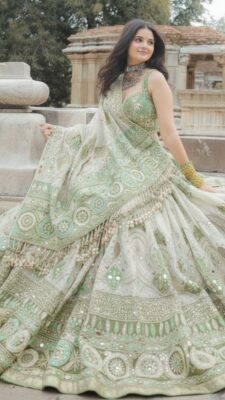
13: Sage green with floral motifs. Earthy, natural, calm.
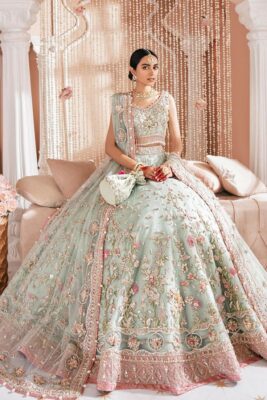
14: Mint green with minimal zari work for brides who like understated elegance.
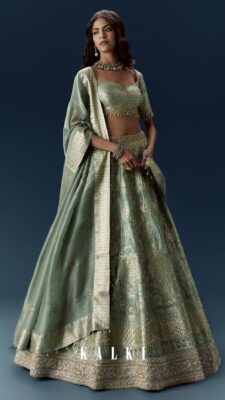
15: A contemporary cut green lehenga that adds structure while keeping the overall look modern.
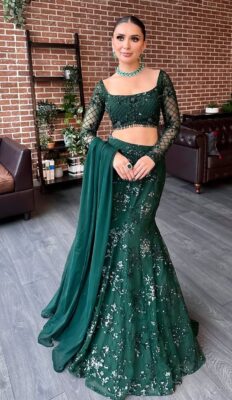
16: Pastel green with layered dupatta drapes adds depth, making the whole outfit feel rich .
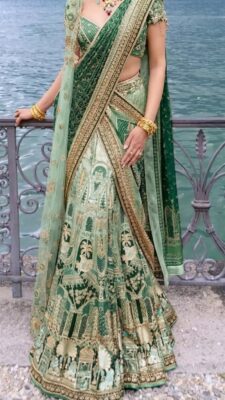
Champagne, Gold, and Beige Luxury
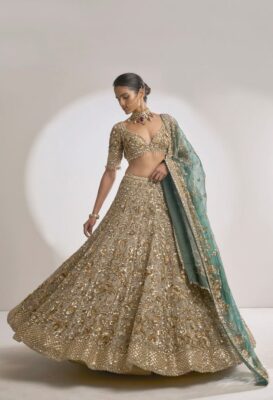
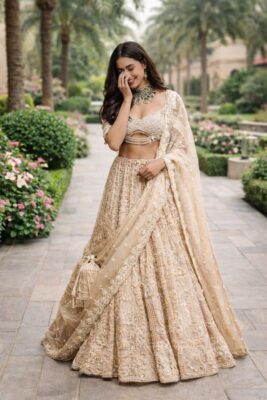
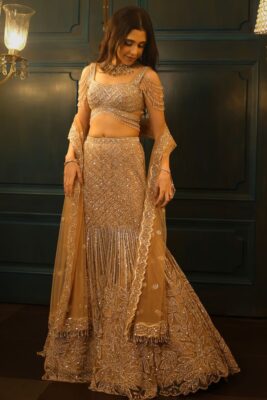
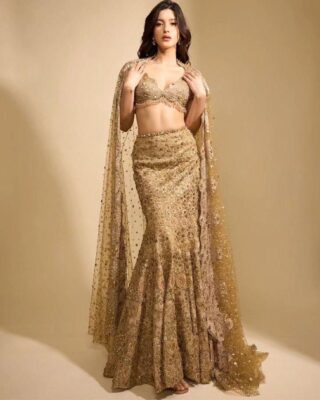
If you liked the minimalism of Ivory but felt that it lacked the bridal glam, Champagne might be the one for you. Champagne has a minimal look with a touch of glamour. It makes your lehenga feel grand instantly. Other colours in the palette are gold and beige. These are more like the tone up and tone downs of champagne as you need.
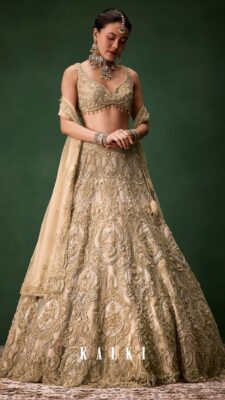
17: A champagne gold lehenga with zardozi work that feels genuinely timeless.
18: Beige with tone-on-tone embroidery. Refined without trying too hard.
19: A metallic gold lehenga paired with a modern blouse keeps everything balanced.
20: A nude lehenga with heavy embellishments. All the drama, neutral palette.
Bold Colours That Make a Statement
If you liked red for the richness and intensity, you might want to consider jewel tones. Jewel tones are known for their rich and intense colour palette. This palette is inspired by the colour of various gemstones. The reason it goes so well as a colour for a bridal lehenga is that you can mix-match your jewellery with it.
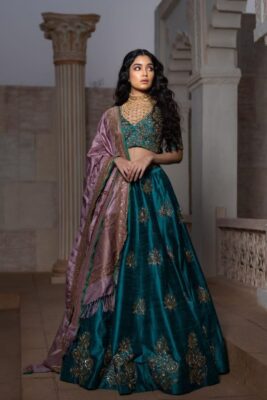
21: Wine velvet for evening weddings. Rich, moody, and it just works.
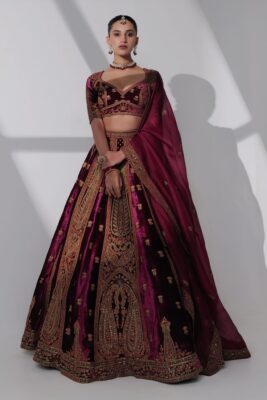
22: Emerald green with heavy embroidery that commands attention without feeling chaotic.
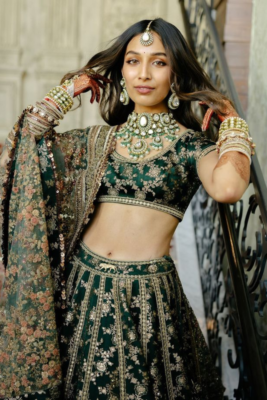
23: Rust orange is warm and traditional but reads as modern when it’s done right.
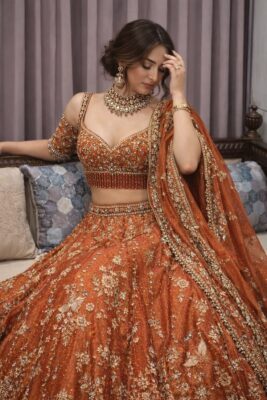
24: Deep maroon with contemporary detailing sits comfortably between classic and current.
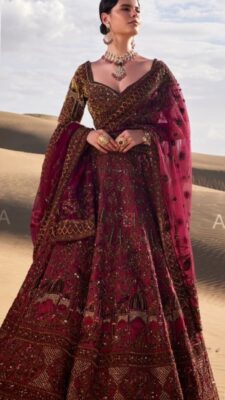
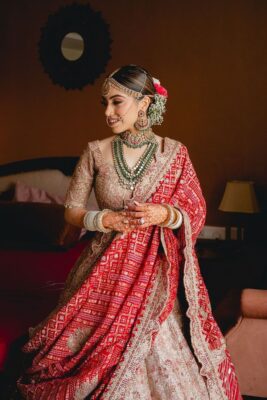
25: A dual-tone lehenga blending two colors photographs beautifully and reads as intentional rather than indecisive.
Choosing a Bridal Lehenga Colour
Consider Where You Will Get Married
One of the things that you should consider while picking a colour for your lehenga is time and place. Destination weddings have a lot of impact on your outfit. If you are having a rustic wedding in the mountains, then rust orange is a better option than ivory. On the other hand, if you are having a beach wedding, then going for pastels and ivory can be a good choice. Remember that your outfit should always stand out, but at the same time, it should look cohesive with the theme and decor.
Match It To How You Dress
One thing that makes your outfit look amazing is matching it to your personal style. For modern brides, you can add a touch of an off-shoulder blouse.
Think About the Photo Appearance
A wedding is one day, but the pictures are forever. You need to be sure the lehenga colour that you picked will look good in the lighting. For a daytime ceremony, pick a soft-toned pastel. And for dusk/evening celebrations, go with warm tones. Warm tones shine under evening lights and look best in sunset pictures.
Don’t do this when deciding your lehenga
Blindly Chasing Trends
Just because a colour suits a celebrity or an influencer doesn’t necessarily mean it will suit you as well. Trendy lehengas may help you in finding a good option, but not your dream lehenga. You must consider your skin tone and pick a lehenga accordingly. If you have a warm undertone, Jewel tones will look the best on you. If you have a cool undertone, then pastels are your go-to option. If you have a neutral undertone, then champagne or gold will bring you that glam look.
Ignoring Comfort
When you start shopping for your bridal lehenga, picking a heavy fabric for your big day may seem like a good idea at first. But what you don’t consider at the moment is comfort. Your wedding day is going to be 12 hours minimum. And not to mention the constant activity. Consider all of this while picking your final lehenga. It is important that you can move around and be comfortable throughout your wedding.
Overdoing the Look
Too much embroidery or too heavy work doesn’t always look good. Similarly, adding too much jewellery can also take away the focus from your lehenga. Make sure that you consider that your lehenga, jewellery, and wedding theme are all coherent.
Your Bridal Lehenga, Your Rules
Styles change fast. Yet your comfort decides everything about clothes on your skin. Feel rules more than fashion ever could.
Your bridal lehenga colours should make you feel radiant, confident, comfortable, and like yourself. Not like you’re performing a version of a bride. Comfort matters more than expected, especially under bright lights and long hours. A soft blush shade might catch your eye first, then fade by afternoon. Ivory lingers, though. Or maybe it’s the deep maroon hiding in the corner of the rack. The mirror helps, but so does quiet time alone with fabric choices. Whether that’s ivory, pastel pink, or something bolder, the right choice is usually the one you keep coming back to.
The right choice tends to show up when things feel off script. The unconventional one, fresh, new, and more you. Traditional colours might hold deep meaning, but they’re meant to evolve with time as the choices change across the generations.


.jpg)