

 Apr 14, 2026
Truth is, nobody talks about it much. Yet every guest understands the system at play. Indian Wedding Rituals are never-ending, but those that include the exchange of money are the most memorable. Forget the official contracts or kitchen invoices. It’s the exchanges among brothers and distant relatives, stretching through hours, sometimes nights, where notes change pockets through envelopes and become a side income for all the unpaid wedding managers, aka the siblings.
If you’ve ever been to a close wedding, you’ve definitely seen at least one of these unfold. A person stands firm at the doorway. Another tucks footwear out of sight. Bargaining happens hard, as if the stakes mean nothing. Here’s what makes it fun: every guest joins in without a second thought. Doubt never shows up.
There are pre-wedding rituals and post-wedding rituals, but these are the ones that will actually get u pais and ensure everyon has a good time
Indian Wedding Rituals that Double as Unofficial Jobs
At every single wedding, it shows up without fail. Someone stands in front of a doorway, conceals an item, or argues over trivial matters as if everything depends on it. What strikes me most isn’t the chaos; it’s how everyone participates and makes it 10 times better.
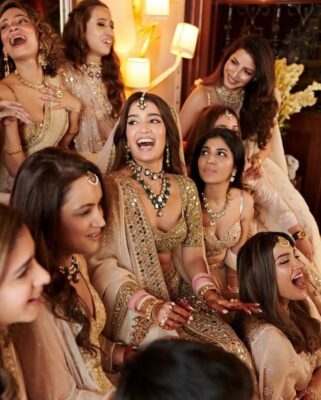
Here’s what makes it work. Getting dressed, the bride’s family acts out small scenes, full of feeling, yes, but also full of chances to earn. As soon as the groom arrives in his perfect groom outfit, waiting to take home his bride in a red lehenga, little does he know he has pockets to fill before he even gets a sight of her. By the time the vehicle inches forward, someone has already made their day’s pay. Real money moves with every gesture.
The Classic Indian Wedding Rituals that can get you money
Joota Chupai: A Wedding Tradition Beyond Money
Everyone gears up for this moment. Not joy or laughter, but signals pass between the bride’s sisters and cousins. A nod here, a glance there, everyone has their role. Shoes vanish into pockets while someone blocks the doorway without looking suspicious. Across the room, the groom’s friends watch every move, tense as if losing means failing something much bigger. It feels less like play, more like silent strategy unfolding under bright lights.
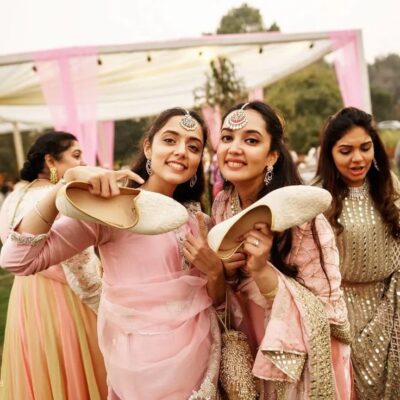
This one might seem all fun, games, and money, but this tradition started as a sign of respect and equality when people’s footwear was a status symbol in earlier times. So naturally, when the bride’s cousins or siblings hide the groom’s shoes, in order to get them back, he must pay them equal respect in the form of money. Money changes hands when the ceremony wraps up. What gets discussed beforehand is just the amount.
Vidaai Car Blocking Ends With Last Payment Demand
Feelings run deep right now. He makes it through the shoe chaos, showing up calm and ready to take his bride home only to face a new wall. Emotions are already high, the bride is leaving, and then the cousins show up. The vidaai car door stays shut until envelopes appear. It is quick, slightly chaotic, and somehow perfect timing every single time.
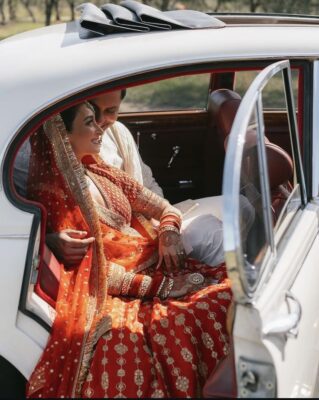
This moment captures everything about these traditions. There is real emotion happening, and somehow, there is still space for laughter and a little mischief right in the middle of it.
Laughter slips through, even when feelings run deep. Mischief tags along, uninvited yet present. Emotion fills the air, though lightness finds its way in between.
Dwar Rokai Entry Requires Payment
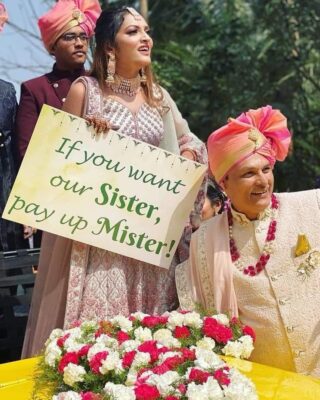
Standing there are the sisters, blocking the door, hands folded, not fazed at all. Without cash, they won’t move an inch. What happens next plays out like a show: money negotiations, playful sibling banter, and the excited newly married couple waiting to enter their new house for the first time, while those nearby can’t help but enjoy every second.
Laughter fills the room fast, pulling both families into shared moments right away. Not one stiff welcome has done anything like it.
Early Indian Wedding Rituals
Sehra Bandi: The Groom’s Preparation Has a Cost
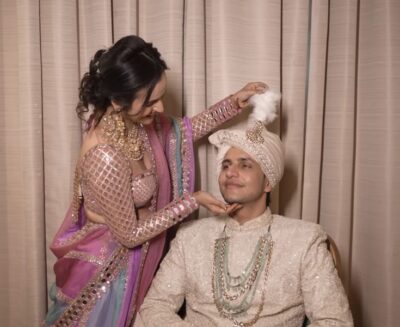
Before he steps out the door, preparations are already underway. His sisters step in, smoothing his clothes, positioning the sehra just right, and waiting afterward with quiet anticipation. Shagun comes up, not seeking an answer, more like a formality spoken aloud. Recognition passes between them, unspoken yet clear. Laughter follows, light and familiar.
Baraat Entry Fee Paid Upfront in this Indian Wedding Ritual
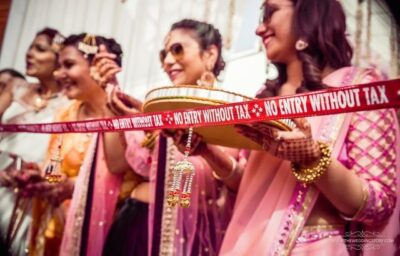
Music fills the air as the group arrives, moving through the path with rhythm, leading their steps. People sway along, caught in the beat, while relatives from the bride’s family wait ahead, standing firm near the entrance. Before the groom meets the bride, he needs to settle a deal with her sisters: All the Saalis are making sure he signs a playful contract stating that he will take good care of their sister and seal the deal with cash. Baraatis enjoy this banter and negotiation, all beneath the steady pulse of the drum. This moment never fails, melting tension quicker than stiff handshakes or practiced greetings ever manage.
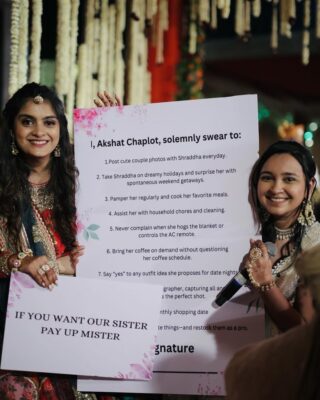
Indian Wedding Rituals That Become Negotiations
Team Bride Versus Team Groom Interactions
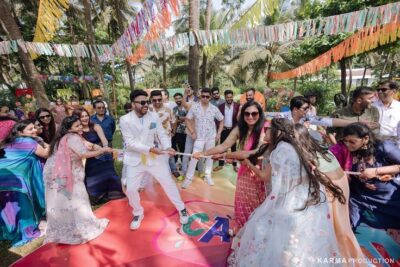
The whole system runs on one thing. Teams. Bride’s side versus groom’s side, clearly divided and fully committed. The bride’s team plans and executes. The groom’s team negotiates and eventually surrenders. This divide turns simple rituals into something the whole crowd gets invested in.
Who Typically Comes Out Ahead Financially
Most times, victory leans toward the bride’s family. Preparedness that starts right from mehendi and follows throughout the wedding, where they stand, and familiar ground and tilt things their way. Giving up comes when the groom realizes, eyes on him, he’d rather hand over cash than drag out fights under bright lights.
Here’s where things get interesting. The ending? Everyone already knows it. Still, they join in, again and again.
Money Amount Involved
How much they give isn’t fixed. A few treat it like a gesture. Some turn it into a show. The size of the event plays a role. So does the mood in the room. Sibling rivalry might spike, too.
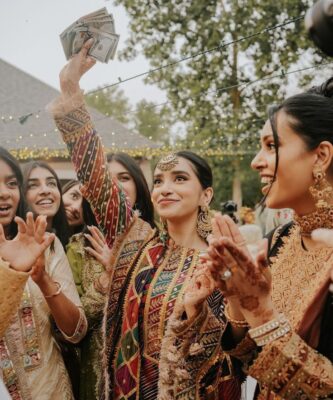
Yet it wasn’t about cash at all. What mattered lived in glances across a table, sudden giggles, playful jabs, and the way distant relatives became familiar without warning.
How This Money Culture Succeeds
Heavy with tradition, weddings often carry more meaning. Yet some moments simply break free. Unplanned, they arrive without warning. Not staged, never repeated by design.
Laughing together is what makes it work. That shared moment pulls relatives into one space without effort. Nothing planned ever reaches quite that mark. A single joke does more than any event organizer can dream of.
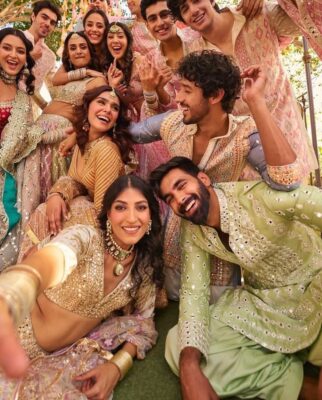
Out front, it’s the two of them getting all the attention. Yet buzzing just behind? Brothers, sisters, kids from down the block are laughing, nudging, and spilling drinks. Moments like these stick. They resurface when plates are passed at holiday meals. Years later, someone will say, “Remember how she tripped on the dance floor? ” That one never fades.
The Real Winners
It’s funny how moments add up and plans shift slightly, yet everyone ends up closer. After the chaos, faces glow, tied not by rules but shared jokes and small compromises.
Out front, it’s always the pair standing together; laughter builds behind them, carried by brothers, sisters, nephews, and nieces. These smaller figures, moving in clusters, reshape quiet rituals into something that sticks in your mind later.
This wedding season, skip standing around like a spectator. Jump into the moments instead. Great stories could follow, and sometimes even an unexpected tip lands in your pocket.


.jpg)