

 Apr 8, 2026
Weddings today are less about how things look and more about how they feel. Couples are stepping back from Pinterest-perfect setups and asking a simpler question: Does this actually feel like us? From your outfit to your décor, every detail can carry a piece of your story. Personalized wedding ideas are all about these little details. Your wedding venue, the tiniest accessory, and even the pattern on your hands can all say something real about you as a couple.
Personalized Wedding Ideas: Mehendi That Tell Your Story
Your Love Story, Drawn in Mehendi
Your mehendi doesn’t have to be just a design. Brides are now using it as a storytelling space: how they met, the proposal moment, and a favorite shared activity. These details turn your hands into a kind of visual memory.
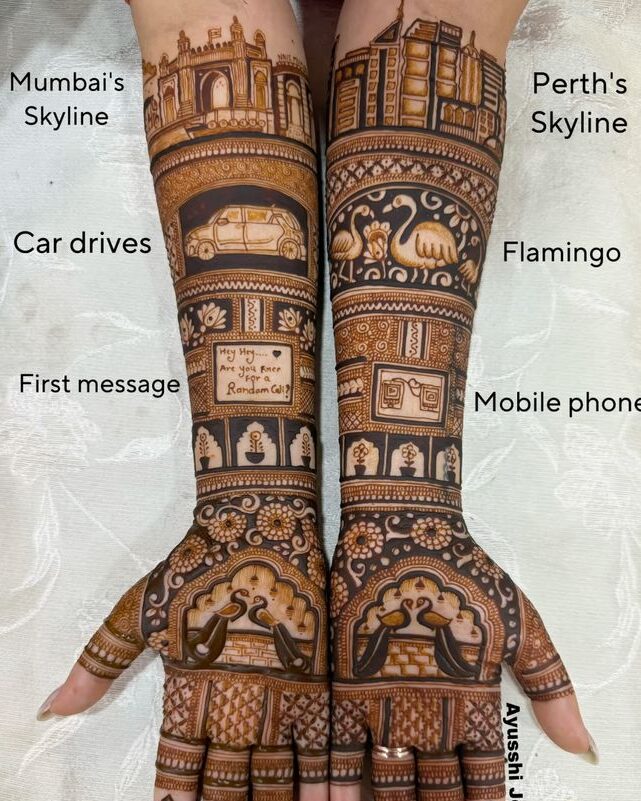
Hidden Details That Make It Fun
Tiny initials, wedding dates, or symbols only you and your partner would recognize add something playful too. Guests spend time hunting for hidden details, which gets people talking.
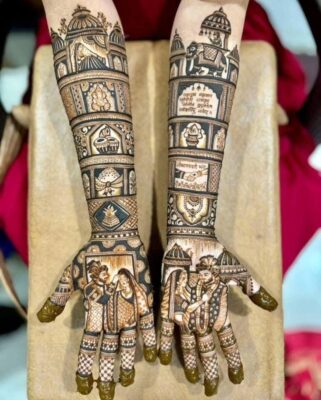
Bringing Memories Into Design
If you both love traveling, your mehendi can include landmarks. If you met in college, you can add a small detail that represents it. These designs feel intimate and real.
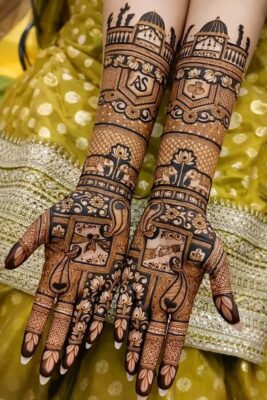
Culture Meets Creativity
Blending traditional patterns with personal symbols creates a beautiful balance. You keep the cultural essence while still making it your own
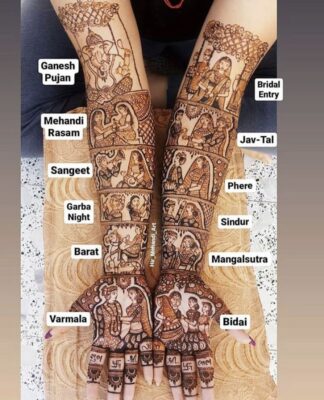
Personalized Wedding Ideas for Kaleeras That Go Beyond Tradition
Turning Kaleeras Into Memory Pieces
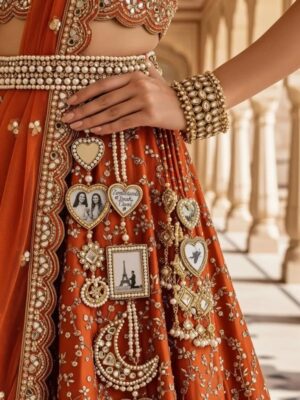
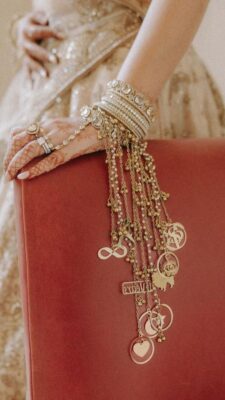
Kaleeras have evolved into one of the most creative parts of a bridal look. Instead of sticking to traditional designs, brides are adding charms that represent their journey. It could be a tiny airplane for travel lovers or a book for couples who bond over reading.
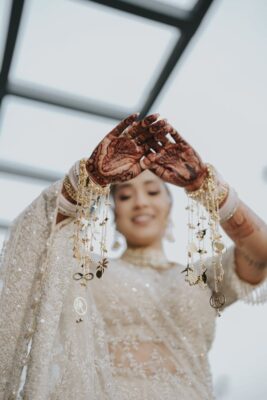
Adding Emotional Value
Many brides include small photos or symbols that remind them of loved ones. It adds a deeper emotional layer to something that is already so significant.
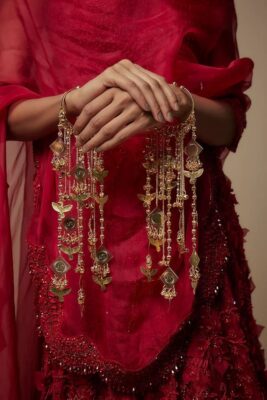
Matching the Wedding Aesthetic
Your kaleeras can also tie into your wedding themes. This creates a cohesive look without making anything feel forced.
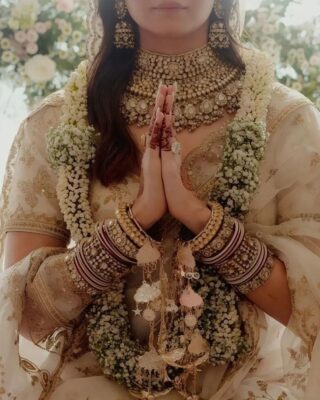
Kaleera Personalization Checklist
Use this quick checklist to plan your kaleeras:
1. Add one charm that represents your relationship.
2. Include sentimental details connected to the family.
3. Choose a design that goes well with your outfit.
4. Balance it with traditional elements.
5. Be mindful of the weight, as it should be comfortable to wear for longer periods of time.
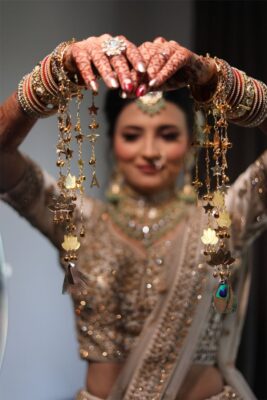
Personalized Wedding Ideas for Veils & Dupattas That Speak Your Heart
Words That Stay With You
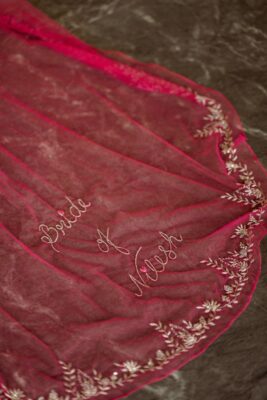
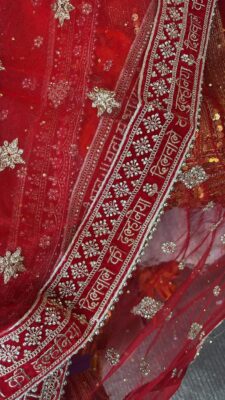
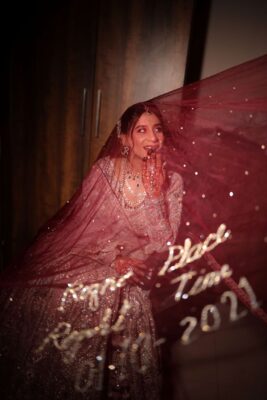
Some brides are stitching a line from their vows along the hem. Others use a lyric from the song that was playing when they got engaged. It doesn’t need to be visible to everyone; knowing it’s there is often enough.
Designing With Symbols
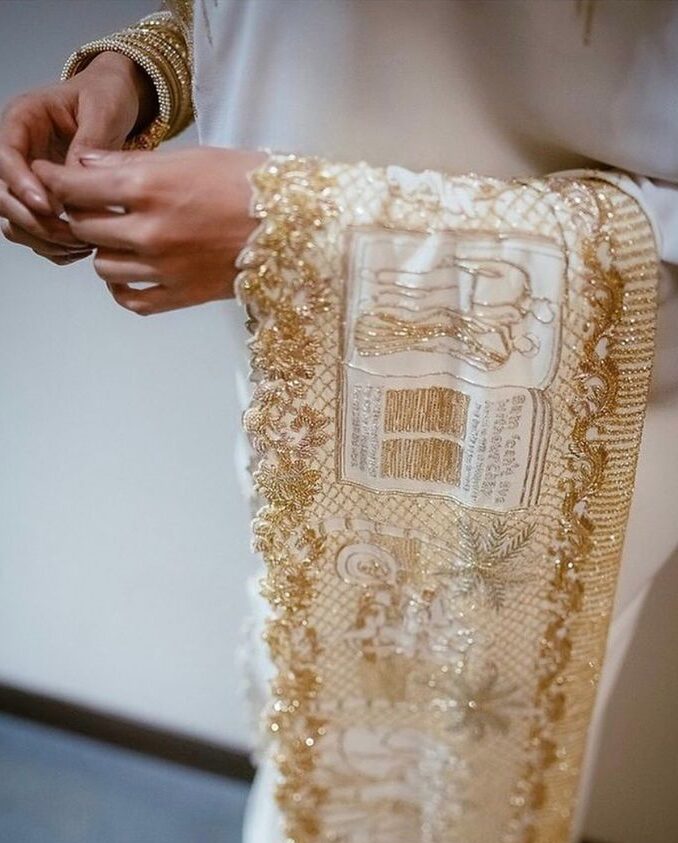
The same goes for motifs. A small constellation if you’re both obsessed with stargazing. A flower that means something specific rather than one that looks impressive. Details chosen for a specific purpose often convey a different message than those chosen for their visual appeal, even if guests are unable to articulate the reason.
Styling Matters Too
Draping and styling can do quite a bit of work here, too. A dupatta draped in a certain way draws the eye exactly where you want it, or keeps something tucked close, visible only when you want it.
Keeping It Balanced
Personalization does not mean overdoing it. And restraint matters. Two or three things that genuinely mean something will always hit harder than a design that tries to carry too much.
Personalized Wedding Ideas: Favours Your Guests Will Remember
Moving Beyond Generic Gifts
Most wedding favours end up forgotten on the table. The ones people actually take home tend to be specific: a local sweet the couple grew up eating, a small jar of something with a handwritten label, or a photo print from a trip that mattered. The connection to the couple is what makes something worth keeping.
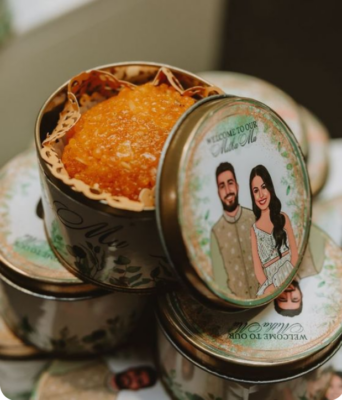
Edible Favours With a Twist
Edible favours travel well because they don’t take up luggage or shelf space. A customized mithai box, a small note tucked inside. Guests appreciate not having to figure out what to do with it.
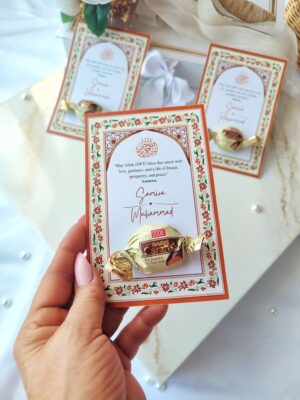
Keepsakes That Last
Keepsakes are trickier. A mini photo print or a handwritten card can be genuinely moving if the detail is right. If it feels mass-produced, guests smile politely and leave it behind. The difference is almost always in how specific it is.
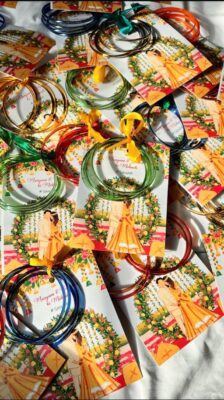
Experience-Based Favours
Interactive favors like DIY kits or seed paper create a lasting impression. They give your guests something to do even after the wedding.
Small Yet Impactful Personalized Wedding Ideas
Accessories That Tell a Story
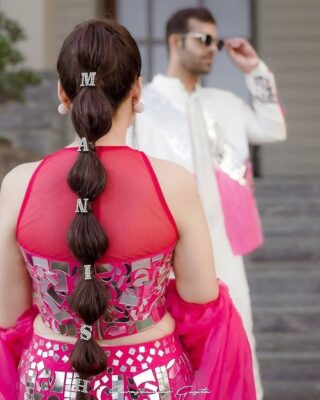
Your bridal shoes, clutch, jewelry, or even hair accessories can carry subtle personal elements. The details tucked into your bridal look are small, but they stay with you. A date engraved inside your shoes, initials on your clutch, or a charm that belonged to someone you love. Most guests won’t spot these at first glance, but the ones who do will remember. And you’ll carry them through the whole day knowing they’re there, which is its kind of beautiful. When you glance down during the ceremony. When you catch it in a photo years later, you smile because you remember exactly what it meant.
Stationery With Meaning
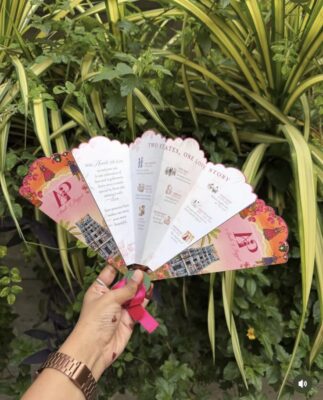
Your invites, welcome notes, and signage can show your journey as a couple. Invites deserve more thought than they usually get. Guests hold them, read them, and keep them on their fridge for weeks before the wedding. The color themes chosen, the wording, and the texture of the paper all contribute to the first impression of your wedding day. When your stationery reflects something real about you as a couple, guests arrive already feeling connected to your story before a single moment has happened
Decor That Feels Like You
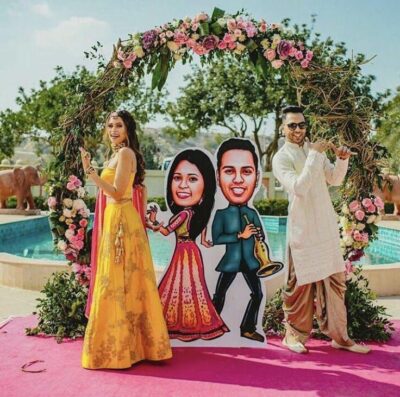
Décor can be both aesthetic and meaningful. Decor is where your personality has the most space. A timeline wall with real photos from your relationship provides guests with something to gather around, point at, and laugh over. A photo booth that references a place you love or a trip you took together becomes one of the most visited corners of the night. These are the details guests bring up when they talk about your wedding months later. Not the flowers, but the moment they found something that felt unmistakably like you.
Tips to Make Your Wedding Feel Truly Yours
Focus on What Matters
Start with what actually defines your relationship. You don’t need to personalize everything. In fact, trying to do that usually ends up feeling like a lot of noise. Choose two or three things that truly hold significance and allow them to bear the weight. The rest can just be beautiful.
Balance Looks and Meaning
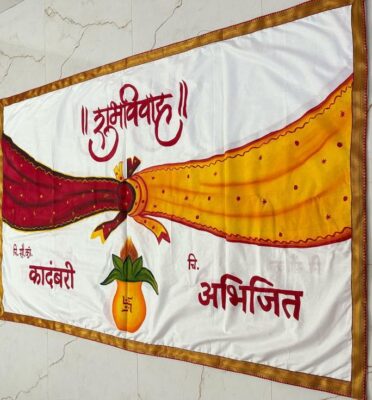
Personal touches work best when they sit comfortably inside the overall look rather than competing with it. A meaningful charm on your kaleeras still needs to work with your outfit. A phrase embroidered on your dupatta still needs to feel considered, not crowded. Meaning and aesthetics aren’t opposites. The best details manage both.
Work With the Right People
Your vendors are more helpful than most couples realize. Hiring a top wedding management company can make a huge difference. When you share your story with them, even loosely, they find ways to bring it in. Your mehendi artist might suggest where to hide a detail. Your decorator might know exactly how to frame a memory wall. Give them something real to work with, and they’ll often surprise you.
Make Your Wedding Uniquely Yours
Your wedding doesn’t need to follow a brief or hit a checklist. It just needs to feel like the two of you are together. Trends change every season, but when a guest sees something on your hands or wrists and asks, “Is that from your first trip together?” it stays. That gets told at anniversaries and family dinners for years.
Every detail, big or small, has the chance to tell a part of your story. Your mehendi, your kaleeras, your veil, the favour someone takes home and keeps on their shelf. None of it needs to be elaborate. It just needs to be yours.


.jpg)